
How to Plan a Safe and Fun Vacation With Your Pet
Travel plans can feel incomplete when pets are left behind. Many travelers now choose to bring their dogs or cats along instead of relying on pet sitters or boarding services. A well-organized trip allows pets to experience new surroundings while owners enjoy a more relaxed vacation.
Organizing a pet-friendly trip requires preparation. Choosing the right destination and packing necessary items both play a role in creating a smooth experience for everyone involved.
With a bit of research and thoughtful planning, traveling with pets becomes simpler and more enjoyable.
1. Choosing a Pet-Friendly Destination
The destination plays a key role in the trip. Some places are more suitable for pets, while others have restrictions.
Coastal areas, countryside locations, and national parks offer open environments where pets can move freely. Trails, pet parks, and outdoor seating make these spots ideal.
Before finalizing travel, checking local regulations is important. Some beaches and parks restrict pets during certain times to protect wildlife or manage crowds. Planning ahead helps avoid issues.
Locations with pet-friendly attractions, open green areas, and outdoor activities typically create a more relaxed travel experience for both pets and their companions.
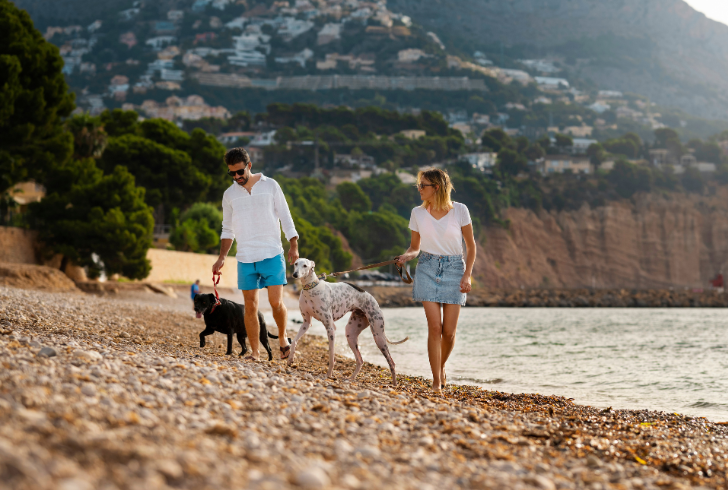
Freepik | Selecting destinations with open spaces and pet-permissive rules is vital for a smooth travel experience.
2. Choosing the Right Accommodation
Accommodation plays a major role in determining how comfortable a trip feels. Many hotels, vacation rentals, and campgrounds now allow pets, though policies vary between properties.
Some places limit the size or number of animals permitted. Others may charge additional cleaning fees or restrict pets from common areas. Reading accommodation guidelines before booking helps prevent confusion later.
Reviews written by travelers who previously stayed with pets can offer valuable insight. These comments often highlight whether the environment truly supports pets or simply allows them under strict conditions.
Properties with outdoor spaces, such as fenced gardens, often provide added convenience. A secure area allows pets to move freely and settle into the new environment more quickly.
3. Packing Essentials for Your Pet
Packing for a pet involves more than just bringing food and a leash. Comfort, health, and safety should all guide what goes into the bag.
A well-prepared travel kit usually includes enough food and treats to last the entire trip. Portable food and water bowls make it easier to feed pets during stops. A familiar blanket or favorite toy can help reduce stress in new environments.
Outdoor trips in warm, sunny areas may call for pet-safe sunscreen, especially for animals with light fur or sensitive skin. A durable leash, harness, and waste bags remain essential items.
Pets that require medication should always have enough packed in advance. Adding a small pet-specific first-aid kit can also help handle minor issues along the way.
4. Keeping Pets Safe Throughout the Trip
Safety should remain a priority throughout any pet-friendly vacation. Simple precautions help prevent unexpected situations.
Pets should always wear identification tags that include updated contact information. If a pet becomes separated in an unfamiliar location, clear identification improves the chances of a quick reunion.
Vaccination records are also useful when traveling. Certain accommodations, parks, or border authorities may request documentation before allowing entry.
Some pets feel uneasy in new surroundings. Calming sprays or pheromone collars may help reduce anxiety during travel or while adjusting to unfamiliar environments.
5. Making Travel Comfortable for Pets
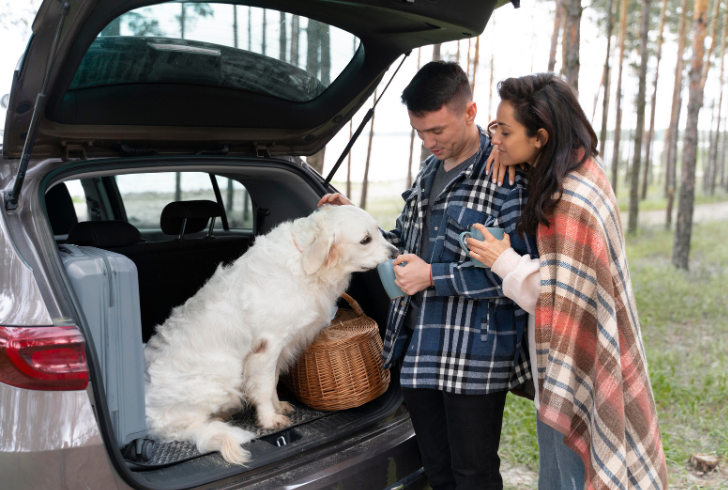
Freepik | Proper preparation and frequent breaks ensure pet safety and comfort during any form of travel.
Transportation is often one of the biggest adjustments for pets. Whether traveling by car, plane, train, or ferry, proper preparation helps improve both comfort and safety.
During road trips, regular stops give pets a chance to stretch, drink water, and relieve themselves. Vehicles should stay well-ventilated for the entire journey. Pets should never be left alone in a parked car, even briefly, as temperatures can rise quickly.
Air travel requires careful attention to airline policies. Many airlines require pets to travel in approved carriers that meet size guidelines. Booking early can improve the chances of securing space.
Trains and ferries in many regions offer designated pet areas or cabins. Reviewing these options ahead of time can help reduce stress.
6. Enjoying Activities After Arrival
Once the destination is reached, attention shifts to enjoying the experience together. Many places now provide pet-friendly spaces for visitors.
Dog-friendly beaches, outdoor cafés, and public parks are increasingly common. Many restaurants offer outdoor seating where pets can stay comfortably with their owners.
Active pets may enjoy hiking trails or dog parks, while calmer pets may prefer scenic viewpoints, outdoor markets, or picnic areas.
Spending time together in these settings helps pets settle in and allows travelers to relax.
Traveling with a pet adds responsibility but also strengthens the bond between owner and animal. Planning ahead helps avoid complications.
Careful preparation, clear policies, and attention to safety create a more enjoyable and stress-free trip.
More in Luxury & Life Style
-
`
 Iran Plans Crypto Toll for Oil Tankers Crossing Strait of Hormuz During Ceasefire
Tensions around the Strait of Hormuz have taken a new turn as Iran signals tighter control over one of the world’s...
April 22, 2026 -
`
 Why Elon Musk Was Left Out of Trump’s “Tech Bro” Council
President Donald Trump recently announced a new advisory council focused on science and technology, bringing together some of the most influential...
April 8, 2026 -
`
 What Is Workplace Culture? Understanding Its Meaning & Importance
“Workplace culture” is a term frequently seen in job postings, company websites, and professional conversations. Despite its prevalence, it’s often misunderstood...
April 1, 2026 -
`
 Why Surging Oil Prices Won’t Spark a U.S. Inflation Nightmare
Rising oil prices have rattled financial markets and raised fresh concerns about inflation across the United States. Since the start of...
March 25, 2026 -
`
 This 112-Acre Florida Island Inspired Jimmy Buffett’s ‘Cheeseburger in Paradise’
Off the southwest coast of Florida sits a small island that feels refreshingly untouched by modern development. Cabbage Key may be...
March 16, 2026 -
`
 The Group Chat Rules Nobody Talks About (But You Should Follow)
Group chats have quietly reshaped daily communication. Plans for dinner, updates about a child’s birthday, collaboration on a work project, and...
March 9, 2026 -
`
 How the Bay Area Skate Culture Started
For those who grew up in the 1980s, Friday nights often meant the roller rink: dimmed lights, pulsing music, and skaters...
March 5, 2026 -
`
 $2 Million Raised in 2 Days for James Van Der Beek’s Family on GoFundMe
The passing of James Van Der Beek at 48 prompted an immediate surge of public support. A GoFundMe campaign set up...
February 25, 2026 -
`
 How to Plan a Hawaii Vacation Without Stress or Overspending
Planning a trip to Hawaii can feel overwhelming, but it doesn’t have to be complicated. With the right approach, travelers can...
February 19, 2026
More From Todaysnyc
-
 Union Square Sees Surging Interest in Office and Retail Space
Union Square is seeing a notable rise in demand for office and retail space, with new leases filling several major properties...
BusinessSeptember 8, 2026 -
 Mike Brown Spotted With Wife on Italian Vacation After Knicks Win
Mike Brown is enjoying a quieter stretch after a landmark first season with the New York Knicks. The coach was recently...
Luxury & Life StyleSeptember 1, 2026 -
 Why NYC’s Subway Heat Is a Problem
New York City subway stations can become painfully hot during the summer. Now, city and state officials are studying whether that...
TechAugust 25, 2026 -
 Jason Sudeikis’ Mail Leads NYC Woman to “Ted Lasso” Premiere Meeting
A surprising piece of mail turned into an unexpected Hollywood connection for a New York City resident. Mental health counselor and...
CultureAugust 18, 2026 -
 Mamdani’s Red Tape Cuts Bring New Support for NYC’s Local Businesses
New York City’s small business owners are facing a major change in how they handle permits, fees, and government regulations. Mayor...
BusinessAugust 11, 2026
You must be logged in to post a comment Login