
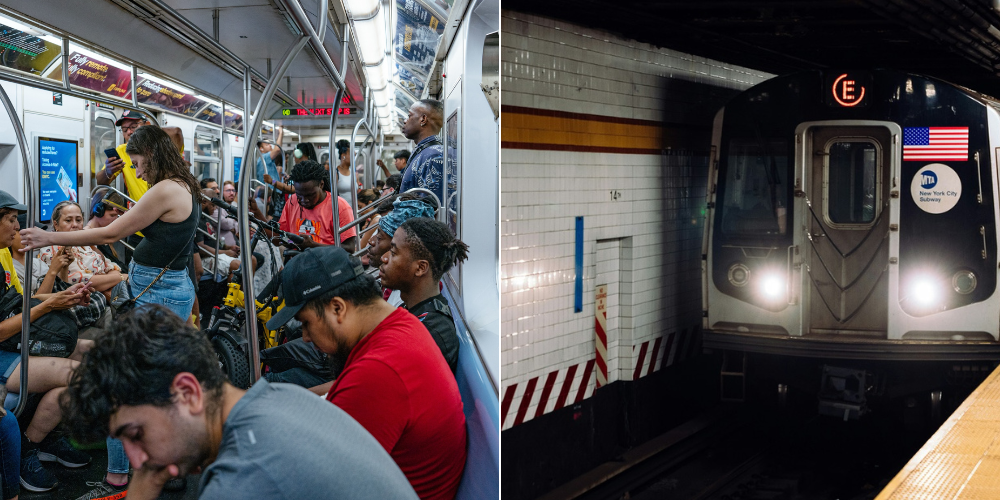
Why NYC’s Subway Heat Is a Problem
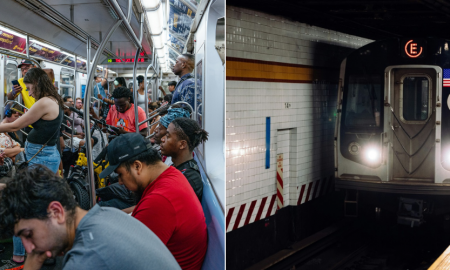
New York City subway stations can become painfully hot during the summer. Now, city and state officials are studying whether that unwanted heat can be captured and reused instead of simply being released into the air.
The proposed system could cool subway platforms while supplying heat to nearby municipal buildings during colder months.
The average temperature inside Brooklyn Bridge-City Hall subway station reached 96 degrees Fahrenheit last summer. Mayor Zohran Mamdani described the stations as places that can feel like “underground saunas” during August.
Mamdani made the comments Monday at Chambers Street station, where he joined New York Gov. Kathy Hochul and other officials to announce the study.
The city and state are examining a thermal energy network, or TEN. The system uses water pipes and heat pumps to move thermal energy between buildings and other sources of excess heat.
TENs can collect heat from places such as buildings, wastewater systems and underground transit stations. That energy can then support heating and cooling needs elsewhere.
An $800,000 Feasibility Study

Instagram | nycmayor | Mayor Zohran Mamdani joined state leaders to launch a study repurposing excess subway heat for heating and cooling.
New York plans to spend $800,000 on a study to determine whether subway heat can be captured and stored for later use.
The study will focus on Chambers Street and Brooklyn Bridge-City Hall stations. Researchers will examine how much cooling the system could provide on subway platforms and how much the city could potentially save in energy costs.
The proposed setup would move excess heat through pipes to geothermal boreholes. The underground storage system could hold the heat until colder months, when it could help warm nearby municipal buildings.
The contract is expected to be awarded this fall. If the study finds that geothermal storage is practical, design work could begin in early 2027.
Metropolitan Transportation Authority Chair and CEO Janno Lieber called the idea a potential “win-win.” Cooler subway stations could improve conditions for riders, while the city could reduce energy costs.
A Broader Energy Plan
The project is tied to a major renovation of Chambers Street station, one of the oldest stations in New York City’s subway system.
Funding for the renovation comes from revenue generated by New York City’s congestion pricing program. That creates an opportunity to include new energy infrastructure as part of the station work.
Hochul said the project shows what cooperation between city and state governments can achieve. She also said the approach could provide benefits for millions of subway riders.
Thermal energy networks are not new to New York City. Lieber noted that similar systems are already operating at St. Patrick’s Cathedral and the New York Botanical Garden.

Instagram | news12bk | NYC is scaling its proven thermal energy concept to subways, creating a potential model for global transit system.
The subway project could take the concept into a much larger public transit setting. If successful, the model could also interest other cities with extensive underground transit systems.
Johanna Partin, founding principal of Transformative Strategies Consulting, said cities can use waste heat as an overlooked energy resource. She is also working with the city of Boston on research into thermal energy from waterways, data centers, transit systems and wastewater treatment facilities.
Partin said the approach could turn a common problem, such as an overheated subway platform, into a useful energy source.
What Happens Next
The feasibility study will determine whether the proposed system can work technically and financially. It will also help officials understand how much subway cooling and building heating the system could provide.
If the results support geothermal storage, design work could start in 2027. The project could then offer New York a practical way to connect transit infrastructure with cleaner heating and cooling systems.
The plan offers a different way to think about extreme subway heat. Instead of treating summer heat only as a problem, New York is examining whether it can be captured, stored and used when temperatures fall.
The upcoming study will show whether that idea can work on a larger scale. If it does, subway stations could play a new role in the city’s energy system while helping create cooler platforms and more efficient municipal buildings.
More in Tech
-
`
 What Is Workplace Culture? Understanding Its Meaning & Importance
“Workplace culture” is a term frequently seen in job postings, company websites, and professional conversations. Despite its prevalence, it’s often misunderstood...
April 1, 2026 -
`
 Why Surging Oil Prices Won’t Spark a U.S. Inflation Nightmare
Rising oil prices have rattled financial markets and raised fresh concerns about inflation across the United States. Since the start of...
March 25, 2026 -
`
 This 112-Acre Florida Island Inspired Jimmy Buffett’s ‘Cheeseburger in Paradise’
Off the southwest coast of Florida sits a small island that feels refreshingly untouched by modern development. Cabbage Key may be...
March 16, 2026 -
`
 The Group Chat Rules Nobody Talks About (But You Should Follow)
Group chats have quietly reshaped daily communication. Plans for dinner, updates about a child’s birthday, collaboration on a work project, and...
March 9, 2026 -
`
 How the Bay Area Skate Culture Started
For those who grew up in the 1980s, Friday nights often meant the roller rink: dimmed lights, pulsing music, and skaters...
March 5, 2026 -
`
 $2 Million Raised in 2 Days for James Van Der Beek’s Family on GoFundMe
The passing of James Van Der Beek at 48 prompted an immediate surge of public support. A GoFundMe campaign set up...
February 25, 2026 -
`
 How to Plan a Hawaii Vacation Without Stress or Overspending
Planning a trip to Hawaii can feel overwhelming, but it doesn’t have to be complicated. With the right approach, travelers can...
February 19, 2026 -
`
 $42 Million Tahoe Estate Finally Bought by Tech Mogul After 8 Years on the Market
A long-standing lakefront listing on the Nevada side of North Lake Tahoe has finally changed hands, drawing attention across real estate...
February 12, 2026 -
`
 Why “The Traitors” Is Every Pop Culture Card Collector’s Dream
Reality TV rarely sparks interest in collectibles, yet The Traitors has emerged as an exception. Set in a haunting Scottish castle,...
February 4, 2026
More From Todaysnyc
-
 Why NYC’s Subway Heat Is a Problem
New York City subway stations can become painfully hot during the summer. Now, city and state officials are studying whether that...
TechAugust 25, 2026 -
 Jason Sudeikis’ Mail Leads NYC Woman to “Ted Lasso” Premiere Meeting
A surprising piece of mail turned into an unexpected Hollywood connection for a New York City resident. Mental health counselor and...
CultureAugust 18, 2026 -
 Mamdani’s Red Tape Cuts Bring New Support for NYC’s Local Businesses
New York City’s small business owners are facing a major change in how they handle permits, fees, and government regulations. Mayor...
BusinessAugust 11, 2026 -
 Chelsea Handler’s Family Vacation Rules Spark Celebrity Reactions
Family vacations often create lasting memories, but they can also test patience when expectations are unclear. Comedian Chelsea Handler recently sparked...
Luxury & Life StyleAugust 4, 2026 -
 Police Urge Parents to “Talk to Your Kids” About Online Safety
Technology has become a constant part of daily life, making online safety a growing concern for families. As children spend more...
TechJuly 28, 2026
You must be logged in to post a comment Login