
What 2025’s Green Investment Boom Means for the Global Economy
The global economy in 2025 has reached a defining moment. Green investment is no longer a niche interest but a driving force behind innovation and growth. According to Bloomberg NEF, more than $56 billion poured into clean energy, battery storage, and sustainable mobility by the third quarter of the year. This surge highlights investor confidence in a low-carbon future that blends profitability with environmental progress.
Across industries, companies are rethinking operations to meet climate and technology goals. Electric vehicle adoption keeps rising. Charging infrastructure now expands faster than ever, while smart building technologies have become standard in most modern developments. Energy storage also leads as one of the fastest-growing sectors, helping stabilize power grids and support renewable energy expansion.
Why Investors Are Doubling Down
Several factors explain this remarkable growth. Extreme weather has made climate risk more visible, pushing investors to prioritize resilience. In the United States alone, 14 major weather disasters struck in the first half of 2025. These events reshaped how companies assess long-term risk.

Instagram | @halalstock | Investors now view green innovation as both a smart choice and a safe bet for the future.
At the same time, corporate buyers now demand cleaner supply chains. Global brands expect lower emissions from vendors and have tied sustainability to contract eligibility. Investors see this alignment as a sign of maturity in the green economy. Falling costs for solar and wind energy, paired with breakthroughs in battery chemistry and efficient construction, continue to make sustainable projects more attractive.
This movement also reflects a shift in mindset. Fossil fuel assets once considered stable are now viewed as volatile, while climate-aligned portfolios promise stability and returns.
Policy and Technology
Investors and companies are urging policymakers to match their ambition. Many call for quicker permitting processes for renewable projects and clearer global rules on carbon markets. These policy shifts could unlock billions more in funding.
Technological advances also help accelerate change. From hydrogen fuel to advanced grid systems, innovation is solving problems once seen as impossible. Governments are supporting these efforts through grants and tax incentives, ensuring progress moves beyond pilot stages into mass deployment.
The Rise of ESG and Corporate Accountability
Environmental, social, and governance (ESG) standards now shape how capital flows. Companies with strong ESG records attract better financing terms and enjoy stronger investor confidence. Banks and asset managers want proof that a firm can manage climate risk effectively.
Firms integrating sustainability into governance and supply chains now lead their industries. They attract consumers who value responsible production and employees motivated by purpose. This momentum proves that climate action and profitability can move hand in hand.
Industries Powering the Green Transition
Analyses from The Greenshot, Spritegenix, and the World Economic Forum reveal that firms prioritizing sustainability innovate faster. They develop digital tools to improve efficiency and create new markets for cleaner products.
Key sectors seeing explosive growth include:
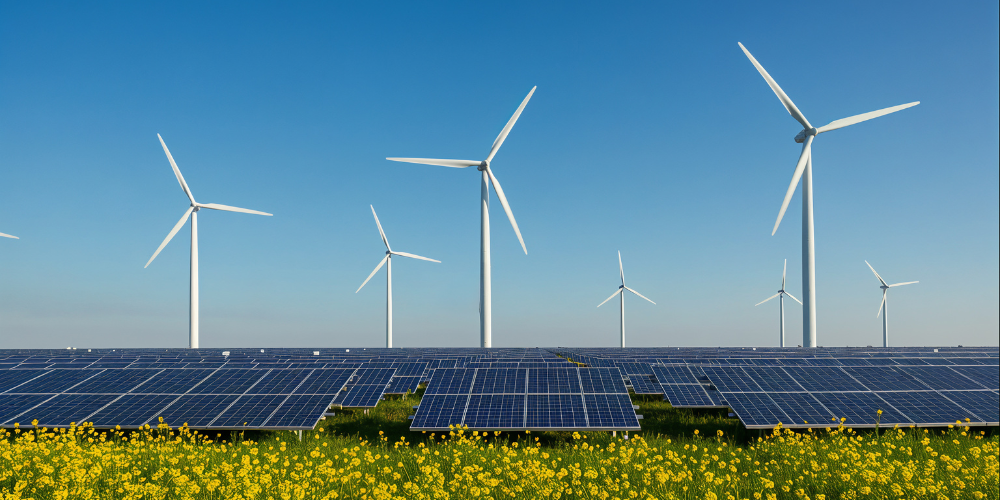
1. Renewable Energy – Solar and wind projects dominate new capacity additions, while battery storage ensures stable supply.
2. Green Transportation – Electric and hydrogen-powered vehicles continue to reshape logistics and consumer markets.
3. Smart Infrastructure – Cities adopt sensors, energy-efficient materials, and AI-driven systems to lower emissions and costs.
4. Circular Economy – Recycling, reuse, and waste-to-energy initiatives attract heavy investment from both startups and major corporations.
This diverse growth pattern makes green investment less vulnerable to economic shocks. Each industry supports the others through shared technology, supply chains, and innovation networks.
Climate Risk Becomes a Core Business Metric
Extreme weather events have turned resilience into a financial priority. Hurricanes, floods, and wildfires in 2025 have underscored the cost of inaction. Investors now evaluate climate resilience alongside profitability.
To address this, developers invest in microgrids, advanced sensors, and retrofitted buildings designed to withstand disruption. These investments not only reduce emissions but also protect communities from outages and disasters. As adoption grows, economies of scale make green technologies more affordable.
The Economic Edge of Sustainability

Freepik | Green technology is increasingly financially viable, with mainstream EVs and cost-effective renewable energy.
The financial case for green technology keeps strengthening. Electric vehicles are now mainstream, and renewable energy regularly outperforms fossil fuels in cost efficiency. Deloitte reports that renewable energy accounted for 93% of new U.S. power capacity in 2025, with solar and storage representing 83%. That growth signals that clean energy is no longer experimental, it’s essential.
In addition, green logistics and digital tools now provide supply chain transparency that businesses depend on. Companies using sustainable strategies gain an advantage through reduced risk, stronger branding, and access to emerging global markets.
Balancing Policy, Profit, and Planet
Despite optimism, challenges remain. Permitting delays still slow renewable energy projects, and transmission upgrades require major investment. Some technologies like carbon removal face high upfront costs and uncertain returns. Still, the general direction remains clear, the global economy is moving toward sustainability at unprecedented speed.
Investors seek clear climate policies to maintain confidence, while communities expect fair economic benefits from green projects. Governments face the task of ensuring equitable growth and long-term impact. Yet, collaboration across public and private sectors continues to build momentum.
The Future Shaped by Green Investment
As 2025 draws to a close, one truth stands out, green investment has become a cornerstone of the global economy. Capital now flows toward innovation that lowers emissions, enhances infrastructure, and drives economic opportunity. These efforts are shaping not just markets but lifestyles, careers, and community development worldwide.
If this trajectory continues, the next decade will see technology and sustainability evolve together. Businesses will treat climate action as strategy, not charity. Policymakers will set frameworks that reward innovation. And investors will keep steering capital toward solutions that deliver both profit and progress.
The green investment surge of 2025 isn’t just a financial trend, it’s a signal of a new economic order built on resilience, responsibility, and renewal.
More in Tech
-
`
 Iran Plans Crypto Toll for Oil Tankers Crossing Strait of Hormuz During Ceasefire
Tensions around the Strait of Hormuz have taken a new turn as Iran signals tighter control over one of the world’s...
April 22, 2026 -
`
 How to Plan a Safe and Fun Vacation With Your Pet
Travel plans can feel incomplete when pets are left behind. Many travelers now choose to bring their dogs or cats along...
April 15, 2026 -
`
 Why Elon Musk Was Left Out of Trump’s “Tech Bro” Council
President Donald Trump recently announced a new advisory council focused on science and technology, bringing together some of the most influential...
April 8, 2026 -
`
 What Is Workplace Culture? Understanding Its Meaning & Importance
“Workplace culture” is a term frequently seen in job postings, company websites, and professional conversations. Despite its prevalence, it’s often misunderstood...
April 1, 2026 -
`
 Why Surging Oil Prices Won’t Spark a U.S. Inflation Nightmare
Rising oil prices have rattled financial markets and raised fresh concerns about inflation across the United States. Since the start of...
March 25, 2026 -
`
 This 112-Acre Florida Island Inspired Jimmy Buffett’s ‘Cheeseburger in Paradise’
Off the southwest coast of Florida sits a small island that feels refreshingly untouched by modern development. Cabbage Key may be...
March 16, 2026 -
`
 The Group Chat Rules Nobody Talks About (But You Should Follow)
Group chats have quietly reshaped daily communication. Plans for dinner, updates about a child’s birthday, collaboration on a work project, and...
March 9, 2026 -
`
 How the Bay Area Skate Culture Started
For those who grew up in the 1980s, Friday nights often meant the roller rink: dimmed lights, pulsing music, and skaters...
March 5, 2026 -
`
 $2 Million Raised in 2 Days for James Van Der Beek’s Family on GoFundMe
The passing of James Van Der Beek at 48 prompted an immediate surge of public support. A GoFundMe campaign set up...
February 25, 2026
More From Todaysnyc
-
 Union Square Sees Surging Interest in Office and Retail Space
Union Square is seeing a notable rise in demand for office and retail space, with new leases filling several major properties...
BusinessSeptember 8, 2026 -
 Mike Brown Spotted With Wife on Italian Vacation After Knicks Win
Mike Brown is enjoying a quieter stretch after a landmark first season with the New York Knicks. The coach was recently...
Luxury & Life StyleSeptember 1, 2026 -
 Why NYC’s Subway Heat Is a Problem
New York City subway stations can become painfully hot during the summer. Now, city and state officials are studying whether that...
TechAugust 25, 2026 -
 Jason Sudeikis’ Mail Leads NYC Woman to “Ted Lasso” Premiere Meeting
A surprising piece of mail turned into an unexpected Hollywood connection for a New York City resident. Mental health counselor and...
CultureAugust 18, 2026 -
 Mamdani’s Red Tape Cuts Bring New Support for NYC’s Local Businesses
New York City’s small business owners are facing a major change in how they handle permits, fees, and government regulations. Mayor...
BusinessAugust 11, 2026
You must be logged in to post a comment Login